reference
Where to sleep in a campervan: aires, CLs, wild camping, and what's legal where
David O5 min read

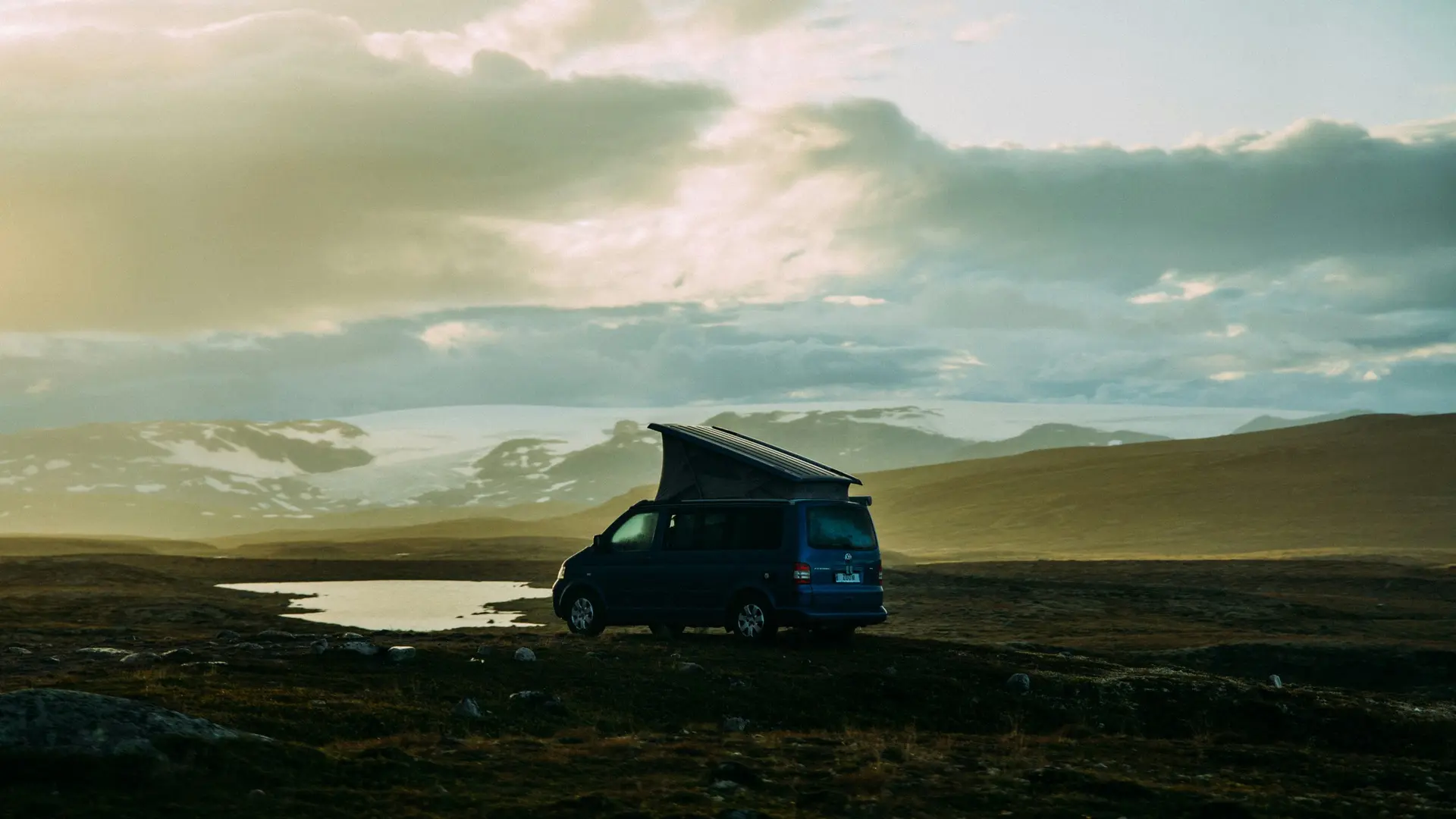
It's half past four and you've been driving since lunchtime. The light's starting to go. You've got an idea of the next town but no plan for the night, and the phone keeps showing you the same five-star campsite forty minutes in the wrong direction. You need somewhere to stop. Somewhere legal, somewhere quiet, and ideally somewhere you don't have to book two months ago to get into.
This is where most trip plans quietly fall apart.
The overnight problem nobody warns you about
Every beginner's guide talks about routes and kit. Almost none of them walk you through what it actually takes to sleep somewhere each night without getting moved on, stressed out, or stuck on a campsite you didn't want to be on.
The problem is that "campervan stop" covers at least five different things, governed by different rules, different cultures, and different expectations. A paid site with hookup and showers is a different world from a pub car park, which is different again from a French aire, which is different again from a bit of moor in the Cairngorms. Mixing them up is how people end up either overpaying for a night they didn't need or getting a 3am knock on the window.
It doesn't help that the law around overnight stops varies sharply between countries and, in the UK, between Scotland and the rest. Most of the confusion online comes from people conflating those two things.
The good news is that once you know the categories, the choice each night gets a lot easier. You're picking a type of stop, not starting from scratch.
The main types of overnight stop
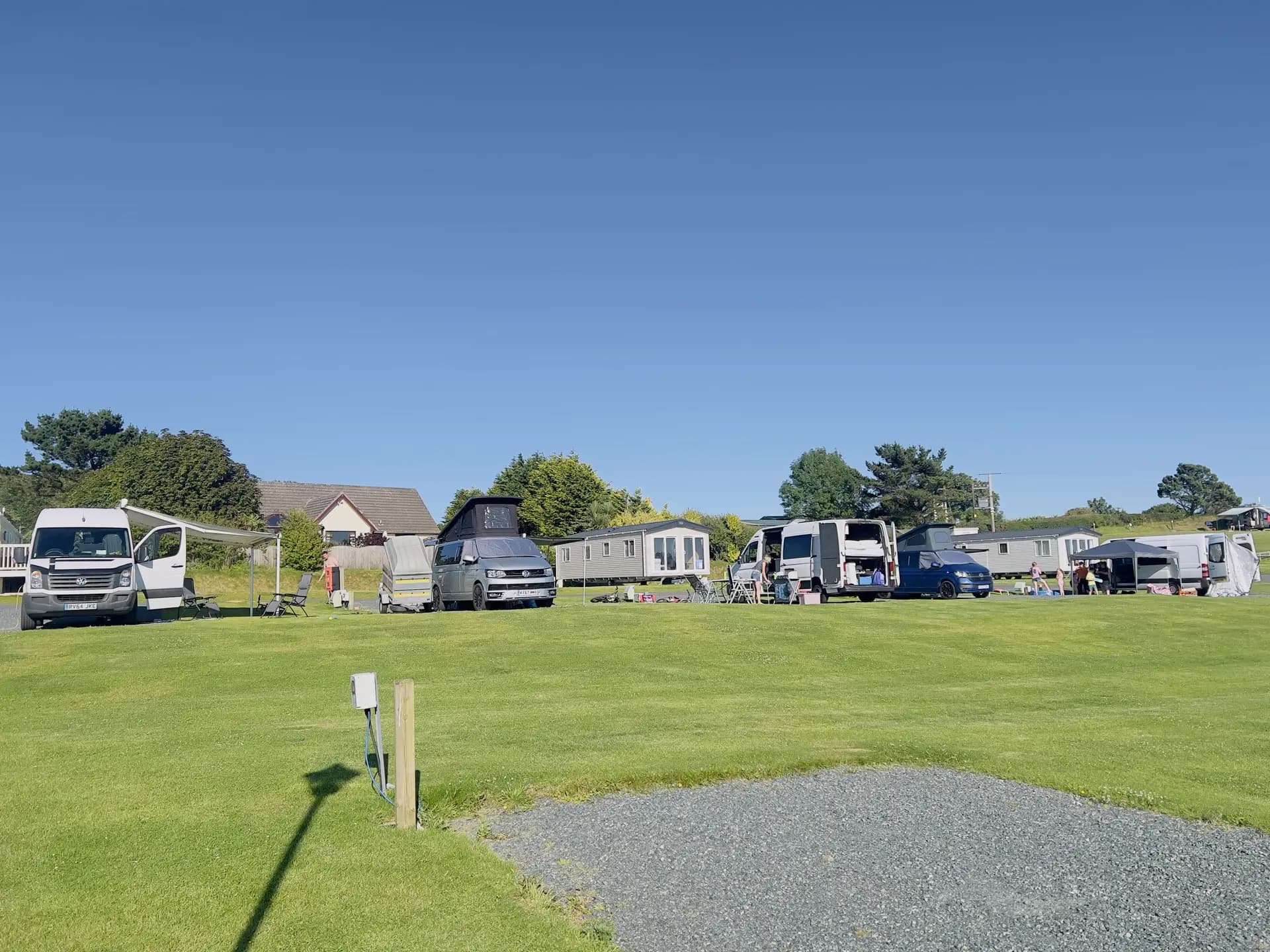
Paid campsites. The baseline. Electric hookup, water, waste, showers, reasonably level pitches. In the UK you're looking at Caravan and Motorhome Club sites, Camping and Caravanning Club sites, and independents. Expect anywhere from about £20 to £50+ a night depending on location and season. Booking is often essential in summer, particularly in the West Country, the Lakes, and the Highlands. The trade-off is that the best weeks of the year are exactly when pitches are hardest to get.
Certificated Locations (CLs) and Certificated Sites (CSs). The most useful option a lot of first-timers don't know about. Small five-pitch sites run by farmers, smallholders, or pubs, licensed through the clubs. Lower cost, often £15 to £25, usually with just water and waste rather than full facilities. No shop, no bar, no entertainment, which is the point. You need club membership to book them, but the membership pays back quickly if you're out more than a few weekends a year.
Britstops and park-nights at pubs. Britstops is a UK scheme where you pay for an annual book, then stay free at participating pubs, farm shops, and vineyards with the expectation you'll spend something inside. No hookup, usually just a car park, one or two nights maximum. Good food, good company, and you wake up somewhere you wouldn't have found otherwise. Separately, plenty of pubs will let you stay without being in the scheme if you ask nicely and eat there. The unwritten rule: ask first, buy a meal, leave early.
Aires (France) and Stellplatz (Germany). The European model that the UK hasn't really adopted. Aires are dedicated motorhome stops, often in towns and villages, frequently with a water point, a waste dump, and sometimes electric. Some are free, most cost between €5 and €15. They exist because continental Europe treats motorhome tourism as a normal thing to plan for rather than a problem to be managed. France has thousands of them. Germany's Stellplatz system is similar. If you're crossing the Channel, these change the trip entirely. A small number of UK councils and harbour authorities have set up aire-style stops too, but numbers are low and they're not something to plan a route around.
Informal overnights. The grey area. Lay-bys, beauty spot car parks, quiet lanes, harbour car parks with no overnight signage. Technically you're parking, not camping, which in legal terms matters more than you'd think. Whether it's accepted practice depends heavily on where you are, how you behave, and how much you look like you're turning it into a holiday.
What the law actually says about wild camping
This is where people most often get bad information, so it's worth being precise.
In Scotland, the Land Reform (Scotland) Act 2003 and the associated Outdoor Access Code give a statutory right of responsible access to most unenclosed land. That right includes wild camping. It does not extend to campervans. The right of access is for people on foot, on bikes, or on horseback. A van is a vehicle, and vehicles are governed by separate rules about where you can park and drive. In practice, overnight parking in quiet lay-bys across much of rural Scotland is tolerated where it's unobtrusive and tidy, but it isn't a legal right. Certain areas (notably parts of Loch Lomond and the Trossachs National Park between March and September) have seasonal camping management byelaws that change this picture further. Read the local rules before you rely on the general ones.
In England and Wales, wild camping without the landowner's permission is trespass. Dartmoor is the partial exception for tent camping on foot, and even that position has been challenged in court in recent years. For campervans, there is no right to wild camp anywhere in England or Wales. Overnight parking in a public place is governed by local byelaws, traffic regulations, and the signage on the car park you're in. Many coastal and beauty-spot councils have explicit no-overnight-parking signs. Some have none and tolerate informal stays. Some have none and will move you on anyway.
The practical upshot: the safest path is the paid or schemed options above. Informal stays happen, they work often, and most pass off without incident. But they're not a legal right in England or Wales, and even in Scotland the right everyone talks about is for tents, not vans. Knowing the difference keeps you out of arguments you didn't need.
Wherever you end up, the unwritten rules are the same. Arrive late, leave early. Don't put awnings out or set up chairs. If asked to move on, move on politely. Spend money where you stay - a pub meal, a village shop, a harbour donation. The culture that keeps informal stops viable is held together by people behaving well.
The van's ready. The week's booked. The part that's left is knowing, at five in the afternoon, where you're going to end up.
The plan you keep meaning to make.
Plan my trip£28 a year. Full refund within 14 days if you bought on the web.
Now and then, by email.
A new note when one is published, and a word when Quiet Route changes. No more than twice a month.