The van is packed. The dog is in her usual spot behind the driver's seat. You've got a rough route and a couple of stops marked. Three hours in, she's restless, the first campsite on your list says no dogs, and the lay-by you were banking on for lunch has a sign at the gate. You pull over, look at the map, and realise the trip you planned is not the trip you can actually do.
The trip with a dog is a different trip
Most campervan planning advice treats a dog as a minor packing item. Pack a lead, bring a bowl, done. That misses the point. A dog changes the shape of the trip itself. It changes where you can stop, how long you can drive between stops, which overnight sites will take you, and which crossings and countries need paperwork started weeks before you set off.
None of that is hard to plan for. It is hard to retrofit. The common failure is planning the trip you'd do without the dog, then trying to bolt on dog logistics at the end. That's when you find out the two best-looking stops on your route both have a no-dogs policy, the ferry you wanted runs kennel-only for pets, and your driving days are too long for a dog who needs to get out every two hours.
Plan for the dog from the start and the trip gets easier, not harder. You end up with shorter days, better stops, and a van that works for everyone in it.
What actually changes
A few things shift when a dog is on the trip. Some of them are obvious once you think about them. Some of them only show up when you hit them in real time.
Driving days get shorter. Most dogs need out roughly every two hours. That's not a hard rule, but it's a working one. Six-hour drives become four. A 300-mile day becomes 180. That constraint usually produces a better trip. You stop more often, you see more, you arrive earlier. The plan just needs to reflect it.
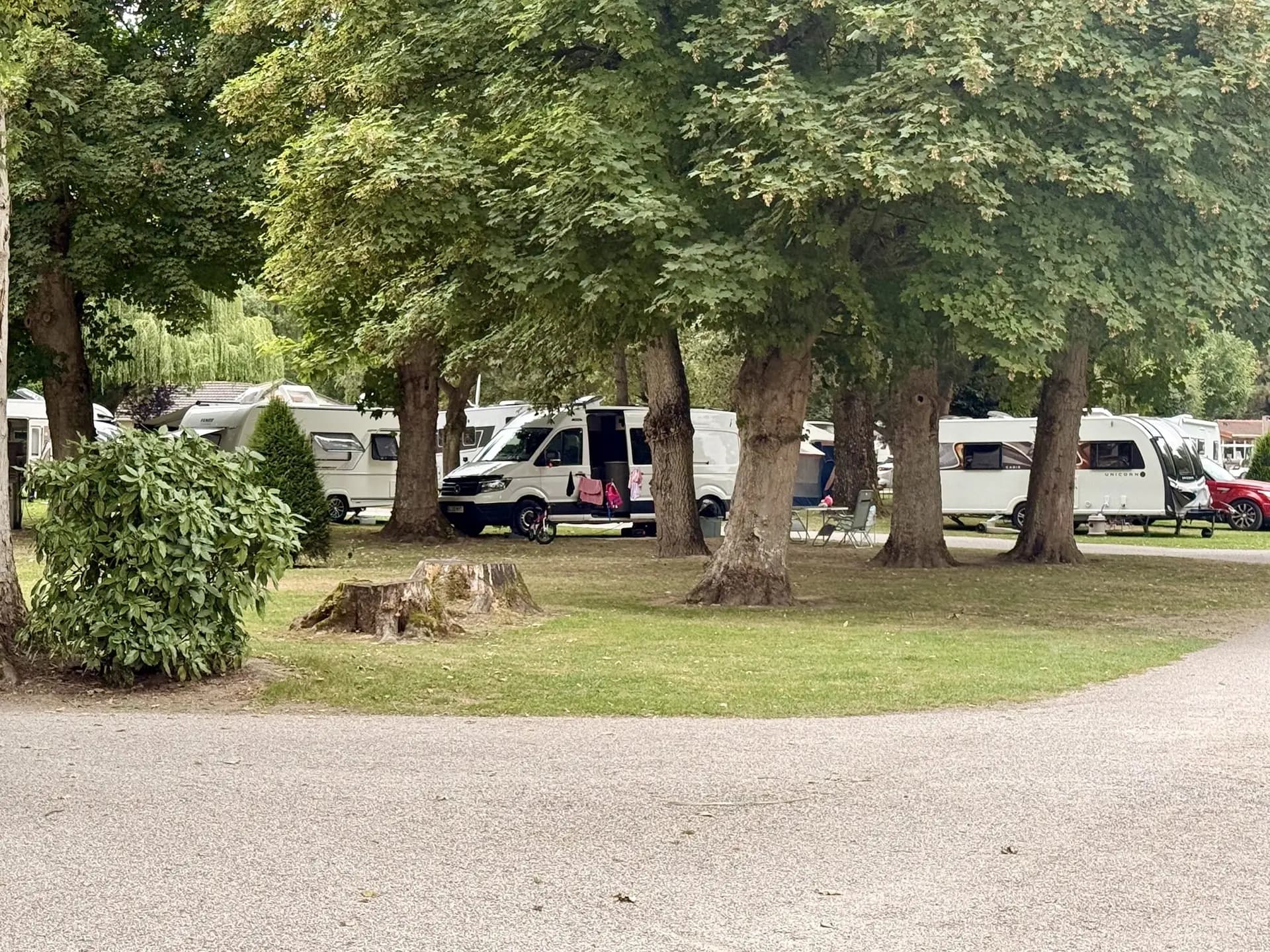
Stopovers get fussier. A lot of campsites are dog-friendly. A lot aren't, and the ones that are often have rules, a limit on how many, breed restrictions, leads required on site, no dogs in the washrooms. Aires in France are generally fine. CL sites in the UK vary widely. Some pub stopovers through Park4Night and similar lists are dog-friendly because the pub wants the dog walkers, others specifically aren't. Check site by site. Assume nothing.
Day stops get fussier too. National Trust car parks, some National Parks, coastal paths during ground-nesting season, certain beaches between May and September - all of these have rules. Not all of them are signposted well. The dog-specific layer of a trip is the one that catches people out, because the information is scattered across different websites, different councils, different seasons.
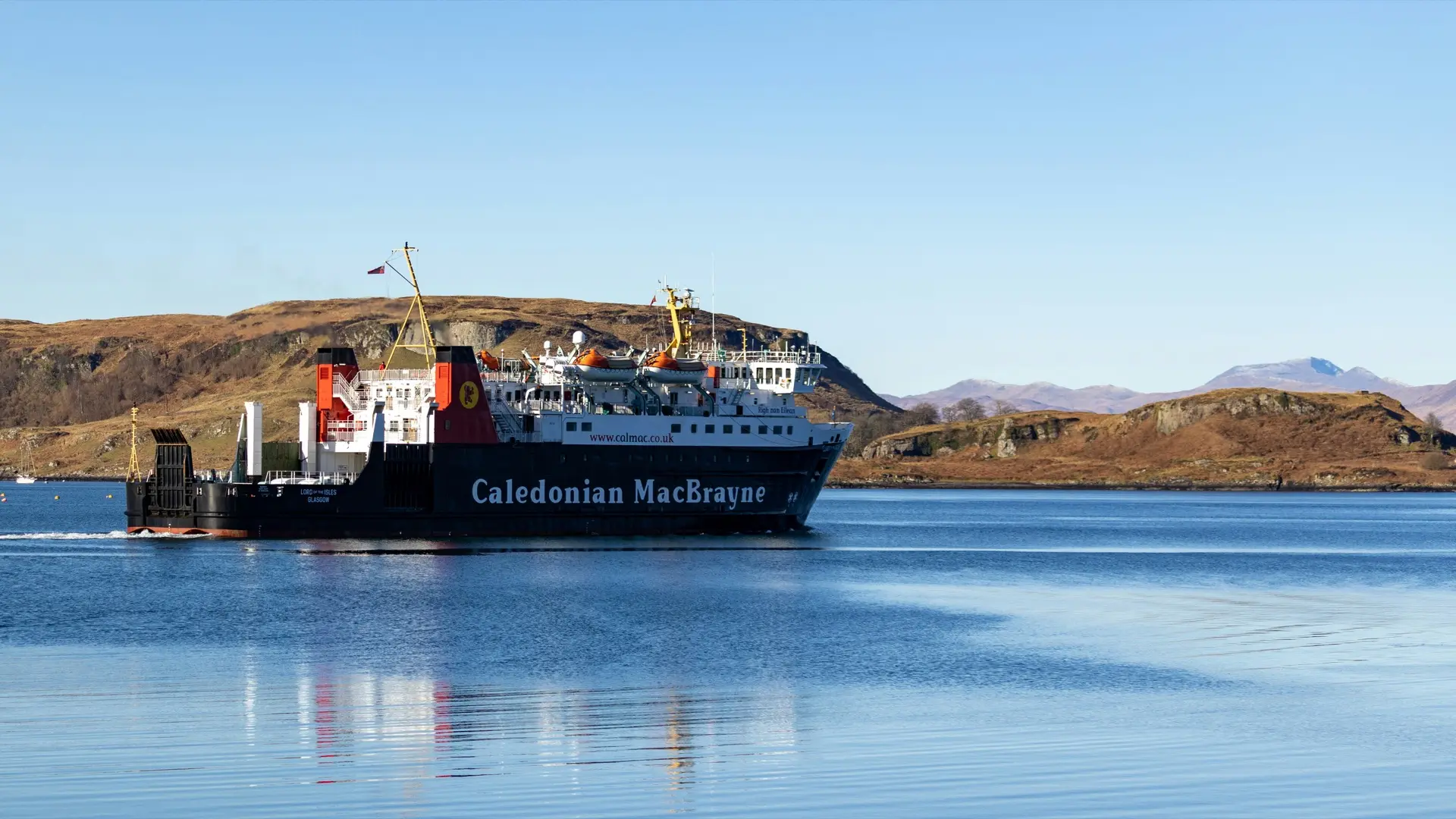
Ferries are a whole separate question. Most UK and Europe ferries allow pets, but the terms vary. Some keep the dog in a kennel on the car deck, which a lot of owners won't accept. Some allow pet-friendly cabins at a supplement. Some allow the dog to stay in the van on the car deck, and some explicitly don't. If a ferry is part of the trip, check the pet policy before you book, not after.
Pet Travel paperwork needs time. If the trip crosses a border, especially into the EU, the dog needs an Animal Health Certificate (valid for ten days of entry, four months of travel) or a pet passport if you have one from before Brexit. Rabies vaccination needs to be in date. Tapeworm treatment is required for re-entry to the UK, GB, and Ireland, administered by a vet 24 to 120 hours before return. None of this is difficult, but all of it needs to be started at least three to four weeks out.
Hot days change everything. A dog left in a van on a warm day is not a plan. In summer, either the trip is built around shade and cooler hours, or certain stops get cut. That usually means driving earlier, eating out of the van rather than sitting down in a pub, and rethinking anywhere that would leave the dog alone for more than a short stretch.
How to plan for it
The dog is part of the trip's shape from the first line of planning, not a complication bolted on at the end.
Start with how long you're willing to drive per day with her on board. Work out roughly how many nights you have. Then pick stops that fit within those driving hours and that you know will take you. Not stops that might take you. Stops that will.
It's a slightly different way of building a trip, but once you do it once you don't go back. The trips are shorter in distance, richer in stops, and you stop hearing the thing every dog owner eventually says, which is "we just didn't get a chance to let her out properly."
Where Quiet Route fits
Quiet Route has a toggle for travelling with a dog. When it's on, the trip builder prefers dog-friendly stops, flags ones that aren't, and builds the route around shorter driving legs with proper stretch-out breaks between them. Ferries with restrictive pet policies get noted. Stopovers that are dog-friendly but conditional get flagged so you can check before you arrive.
It doesn't replace your own check on a specific site, and it won't know that your dog specifically hates the sound of the A9. But it removes the bulk of the research and gives you a starting route that already accounts for the dog being in the van.
Most of what goes wrong on a dog-trip is planned in, not encountered. The site that won't take you, the drive that was too long, the paperwork that needed three weeks. All of it shows up before the van leaves the drive. Plan for it there, and the trip itself gets to be the easy part.