Open any American road-trip blog and you'll hit the same rule. 300 miles or 3pm, whichever comes first. It maps cleanly onto an interstate with a service station every thirty miles and a Cracker Barrel waiting at the off-ramp. Try the same maths on a single-track in the Highlands, or an A-road through Pembrokeshire, and the day finishes after dark with a service-station sandwich for tea and an aire whose barrier closed at six.
The rule was built for different roads
The 300-miles-or-3pm number comes from American road-trip culture and it maps onto American geography. Interstates are wide, numbered, consistent. Speed limits sit around 70-75mph for hours at a stretch. Fuel, food and toilets arrive on a predictable rhythm. The maths works because the road works.
A UK motorway day might still hold up. 300 miles on the M6 at a steady 60 in a van, with two proper stops, lands around seven hours door to door. Tolerable if the next day is a rest day. Less tolerable if it isn't.
Anything below motorway pace and the rule comes apart. A-roads drop the average to 40-45mph once towns, roundabouts and the inevitable mile of 50mph roadworks come into it. B-roads drop it again. Single-tracks drop it into another category entirely. Add a ferry crossing, a city centre or a mountain pass and the number stops meaning much at all.
Honest daily ranges by road type
Treat these as realistic upper limits for a day where you also want to stop, eat and see something, not what you could grind through if you had to.
Motorway or dual carriageway, mostly. 250-300 miles is doable. London to Edinburgh in a push, Dover to Geneva over two days. Plan for five to six hours of actual driving plus proper breaks. A van cruises slower than a car, uses more fuel, and handles crosswinds worse, so timings worked off Google Maps' car estimate will run short.
A-roads, mixed. 150-200 miles is a full day. The average sits at 40-45mph in practice, time goes to towns and ferries and traffic, and after six hours behind the wheel the day is done. Most of the English and Welsh coast falls here.
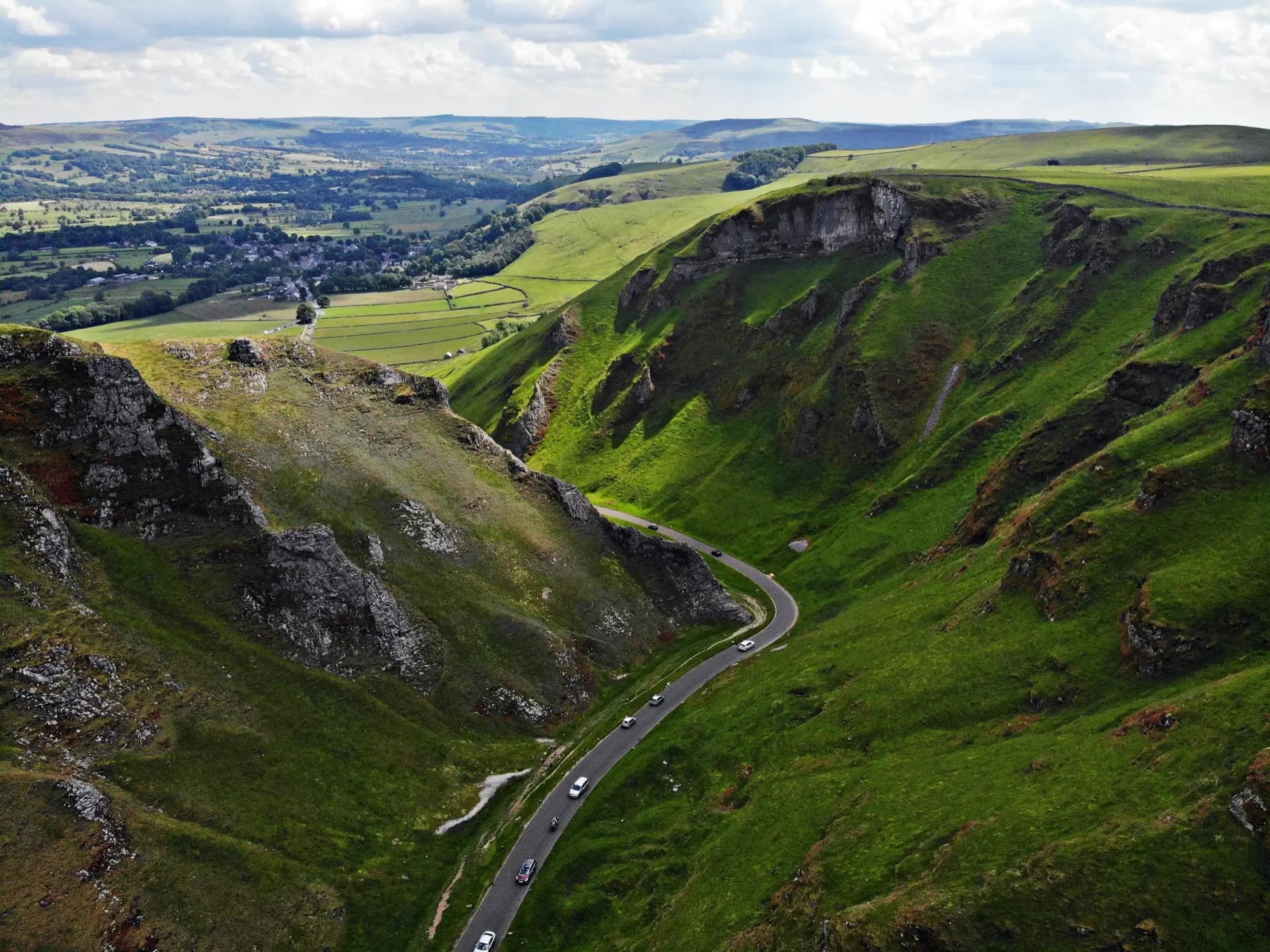
B-roads and minor roads. 100-150 miles is a proper day's driving. Devon and Cornwall, rural Wales, the Yorkshire Dales, Northumberland. The roads are narrow and the views earn the time taken, but stacking two of these days back to back without a buffer day is how trips fall apart.
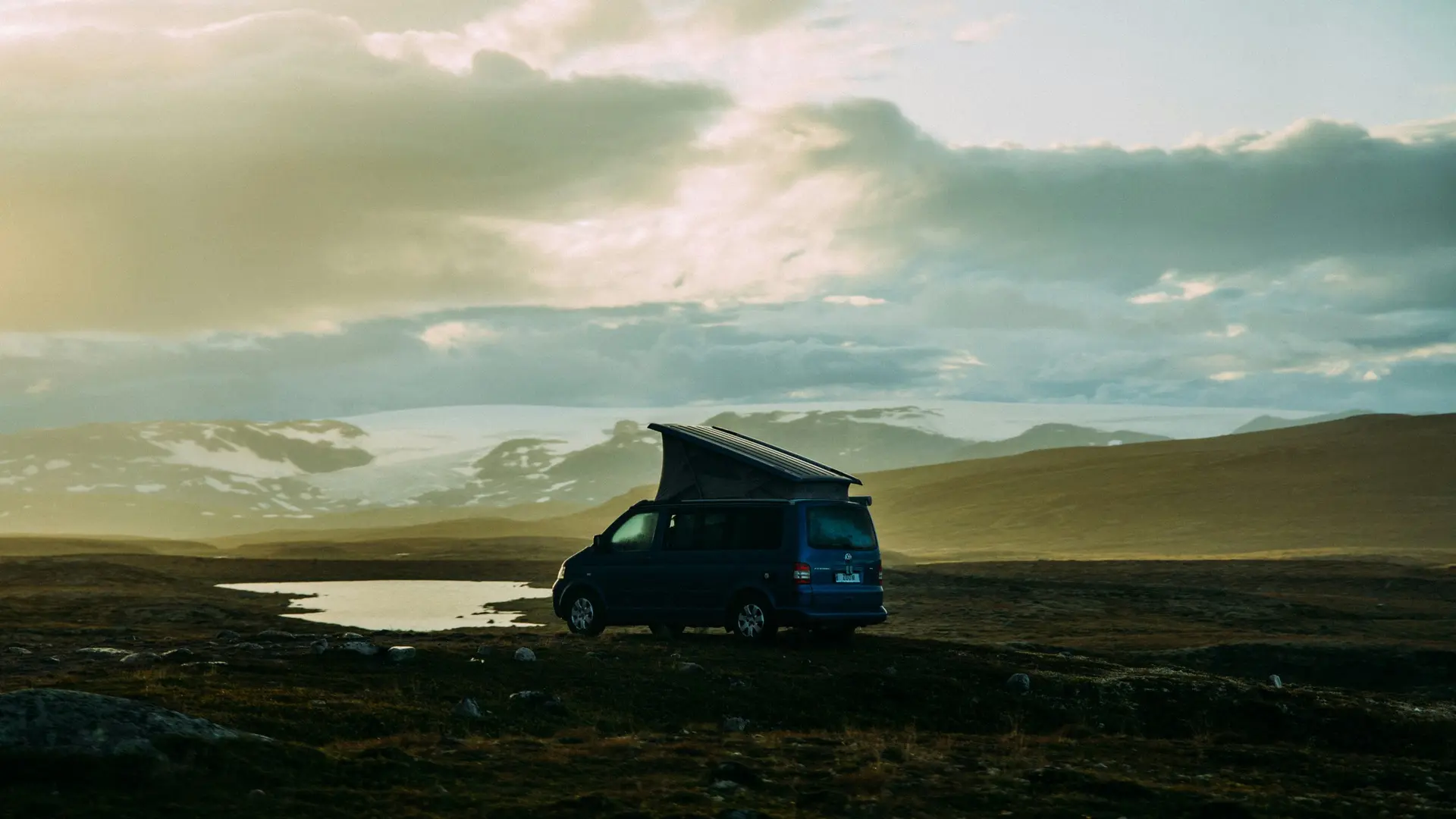
Single-track roads, passing places. 60-100 miles and the day is done. The NC500 north of Ullapool, the road to Applecross, Ardnamurchan, large parts of the Outer Hebrides. The numbers are honest because the average is closer to 20-25mph in practice, watching for the next passing place, working out who reverses when another vehicle appears at the next blind crest.
Mountain passes, Alpine or Pyrenean. 80-120 miles is the day. Hairpins, altitude, engine-braking on the descents, an engine working hard on the climbs if the van is loaded. A rest stop at the top. Another at the bottom.
The stuff the rule doesn't count
The other half of a realistic plan is everything that isn't time spent moving.
Fuel stops. A van empties faster than a car and refills slower at busy services. Budget 15-20 minutes, more on a Sunday evening when the queue at the pumps is moving slow.
Loo and stretch stops. Every two hours is sensible, more often with a passenger who needs them. Ten minutes becomes twenty once everyone is out, the dog is walked and the kettle is on.
Lunch. An hour if you eat it properly and not from the steering wheel. Less for a coffee made in a lay-by, more if a pub is involved.
The accidental hour. A detour to a viewpoint, a diversion round a closure, the extra ten minutes at every photo stop. Across a six-hour plan, an hour of slippage is normal. Across an eight-hour plan, two.
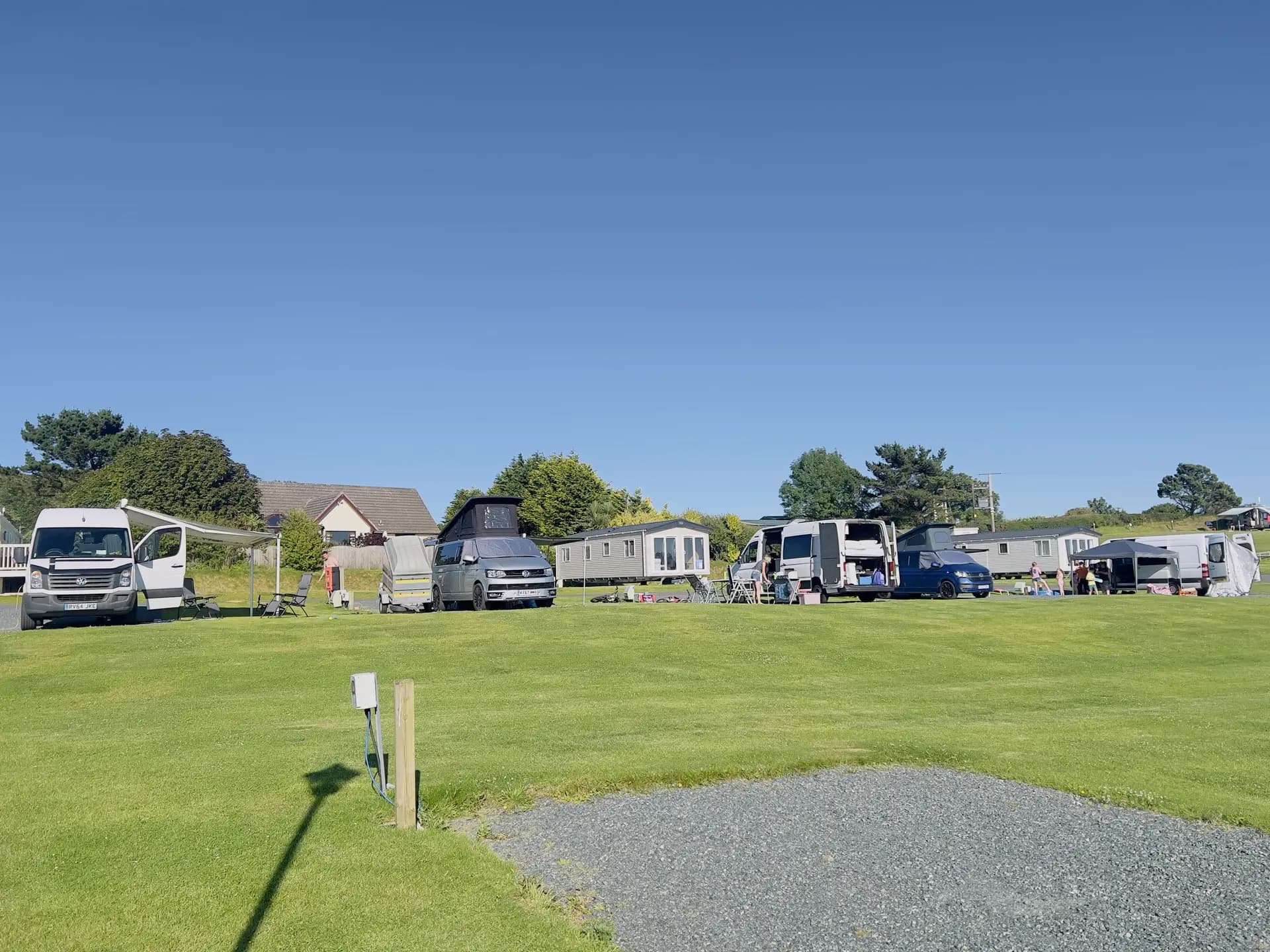
Arrival admin. Finding the site, checking in, reversing onto the pitch, levelling, hooking up, putting the kettle on. An hour minimum. In France, factor in the aire's closing time. Plenty of them shut their barriers at six or seven and the code-only late entry isn't a guarantee.
A nominal five hours of driving turns into an eight-hour day. Plan for eight hours.
What a good day actually looks like
A good driving day in the UK or Europe is closer to four to five hours of actual driving than six or seven. That gives a relaxed morning start rather than a dawn one, two proper breaks, arrival by mid-afternoon with time to set up and walk around, and evening light to enjoy where you are rather than where you stopped.
On motorway-heavy days that maps to roughly 200-250 miles. On A-roads, 140-180. On B-roads or single-tracks, 80-130. In the Highlands or the Hebrides, less again, and the lower end isn't an admission of weakness, it's the road being honest about what it asks.
That is what a sustainable week at the wheel looks like in practice. It's also most of the difference between a trip that ends well and one that ends with someone refusing to get back in the van on Friday morning.
The American rule was built for American roads. Set the number low enough that the van still feels like a good idea by Thursday.
The plan you keep meaning to make.
Plan my trip£28 a year. Full refund within 14 days if you bought on the web.
Now and then, by email.
A new note when one is published, and a word when Quiet Route changes. No more than twice a month.