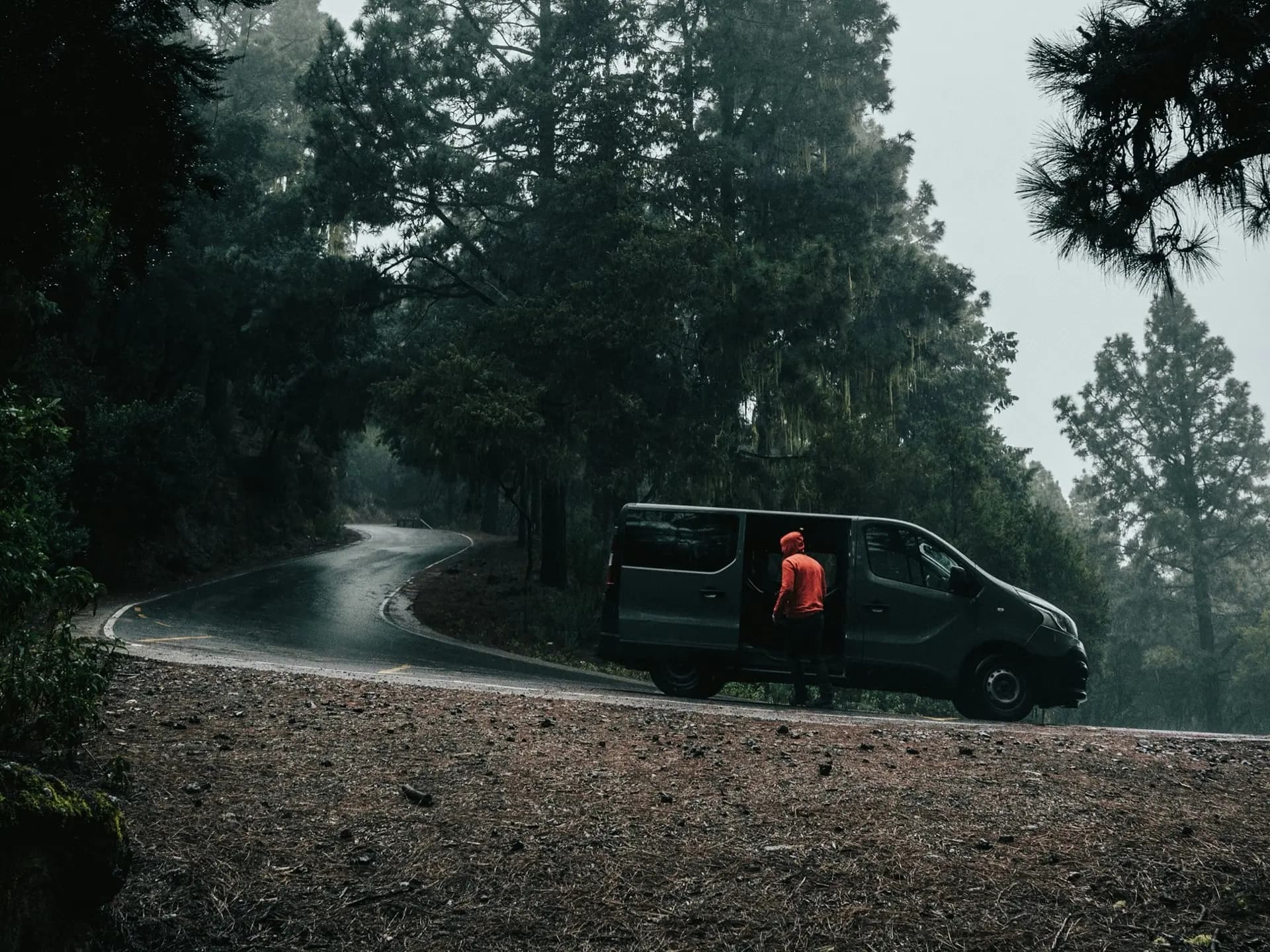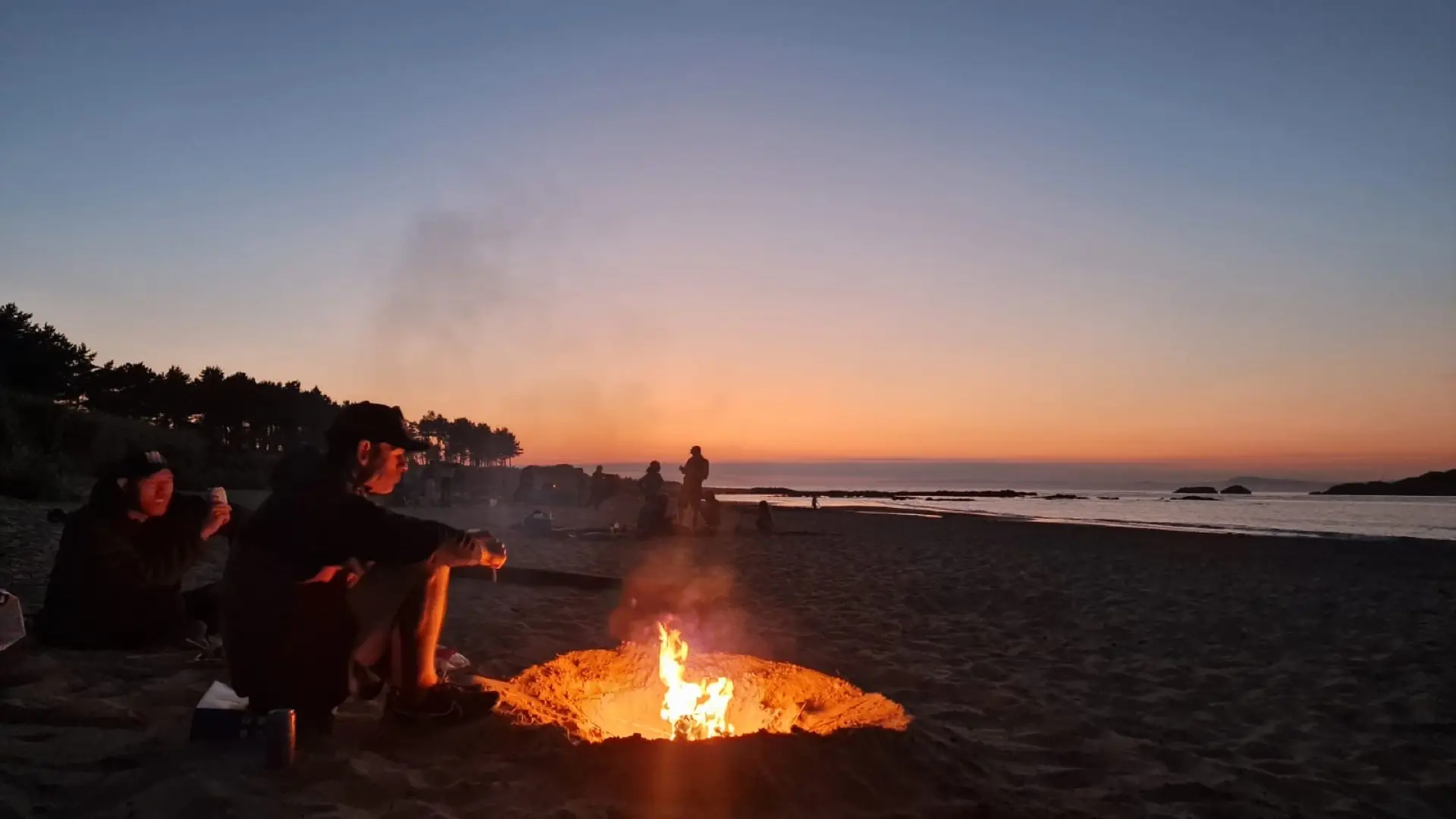
You pull into the lay-by you used last summer and the kettle is on within four minutes. You know which side to park for the view, where the shop is, when the pub kitchen closes. None of this was true the first time. The first time you were still working it out, and the working out was most of the trip.
First trips are mostly orientation
A first visit is half-planning, half-orienting. By the time you've worked out where the supermarket is, which side of town the good pub sits on, whether the lay-by you saw on the map is actually flat, you're driving home. The list helps with that. The viewpoint, the harbour, the loop walk, the place everyone says you have to eat. The list is useful work because it's how you find out what the place is actually like. But it also crowds the days. You're moving between things rather than being anywhere for long, and by the time the place starts to feel like itself, you're packing up. Most trips report back as "we had a great time" because they were, but a fair share of what you remember is logistics. The route from the campsite to the chemist. Which roundabout took you the wrong way. The night you sat in the van eating crisps for dinner because you didn't get the food shop done in time. Useful information, the kind that's only useful if you go back.
What you stop ticking
The second trip skips most of the list. You already know which viewpoint was worth the climb and which was a lay-by full of coaches. You know the harbour reads better at low tide on a weekday than at any time on a Saturday in August. You know the loop walk is fine but the smaller path off it was the better one.
What's left after the list is the place. The shop you keep going back to. The pub that does food until nine. The pitch you'd pick again. The lane that's quieter than the obvious one. None of this was visible the first time because the list was in the way. It only shows up once the orientation is done.
You already know what you won't go back to
This is the underrated part. A first trip leaves you with a list of things you don't need to repeat. The over-priced harbour cafe. The headland walk that turned out to be three hours longer than the sign said. The campsite with the road noise. The town that looked good on the map and was a car park in real life.
Cutting those out leaves time. Not loads of time, but enough to sit somewhere properly. Enough to drive a quieter road instead of the main one. Enough to find out whether the pub does a Sunday roast or just thinks about it. The second trip ends up shorter on paper, and the days feel longer.
The first trip somewhere is the price of admission for the second one. That's the job it does, and it does it whether you decide to go back or not. Most people don't go back. They go somewhere new instead, start the list again, learn the same lessons in a different post code. Going back is the quieter choice, and usually the better one.
The plan you keep meaning to make.
Plan my trip£28 a year. Full refund within 14 days if you bought on the web.
Now and then, by email.
A new note when one is published, and a word when Quiet Route changes. No more than twice a month.