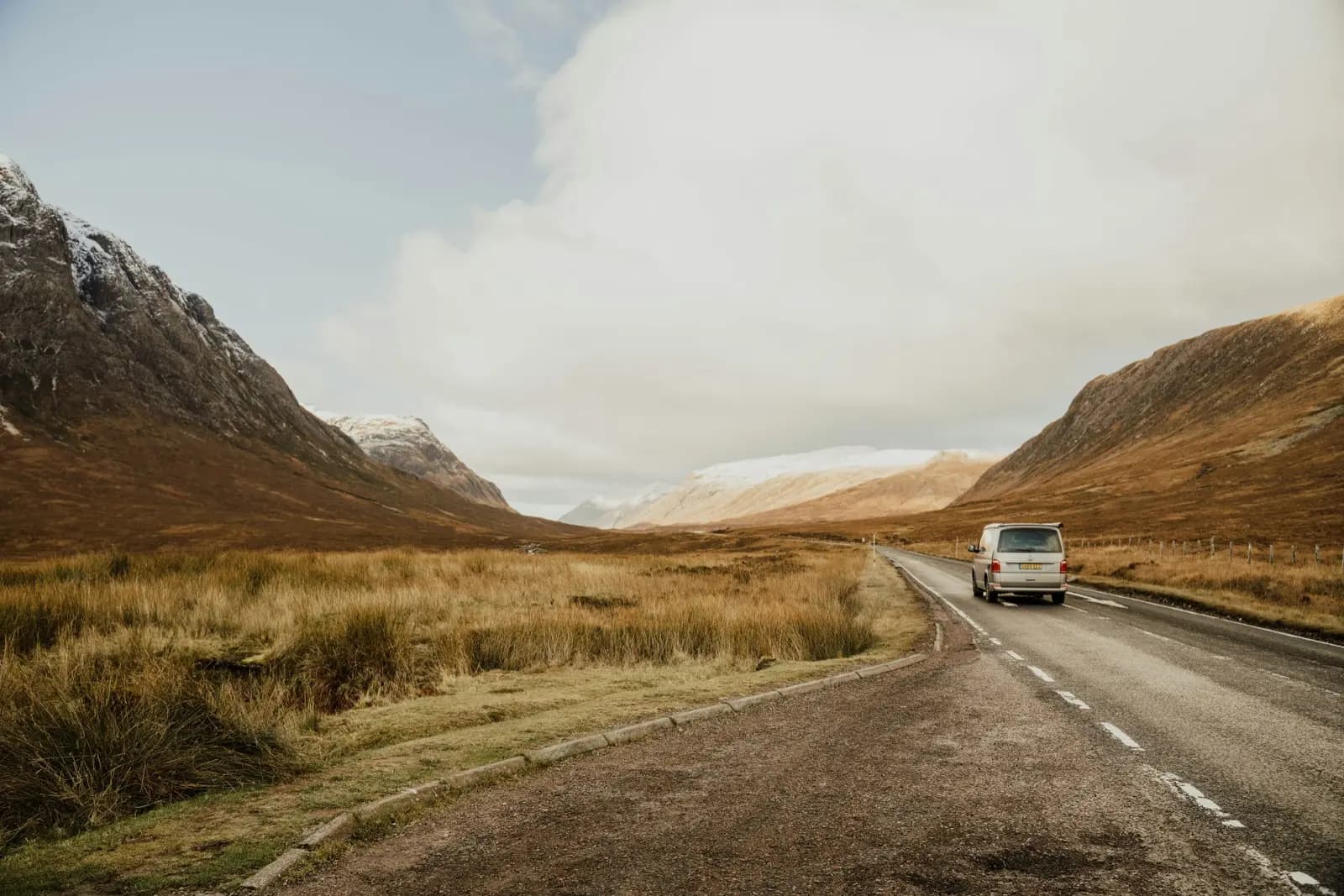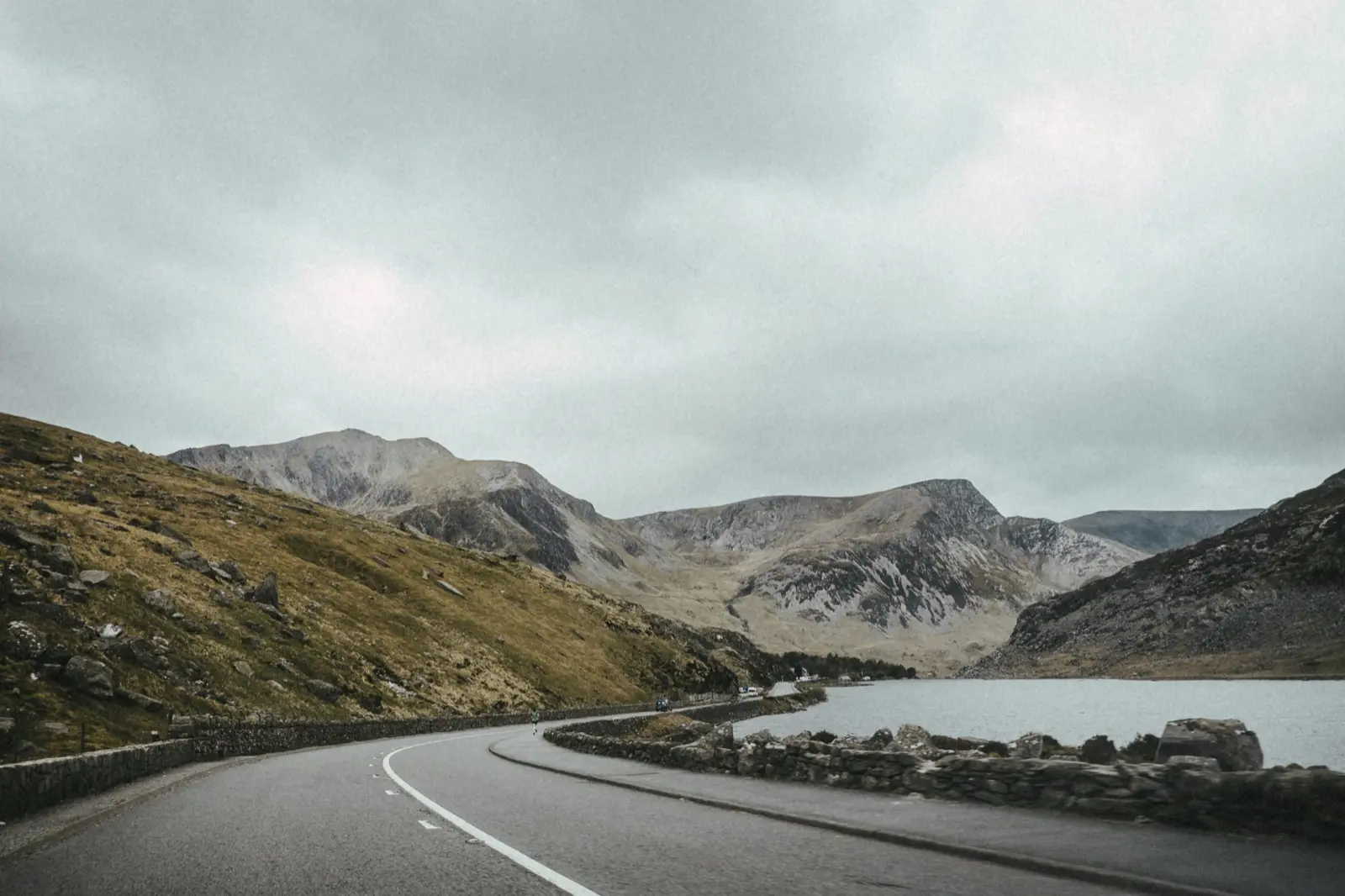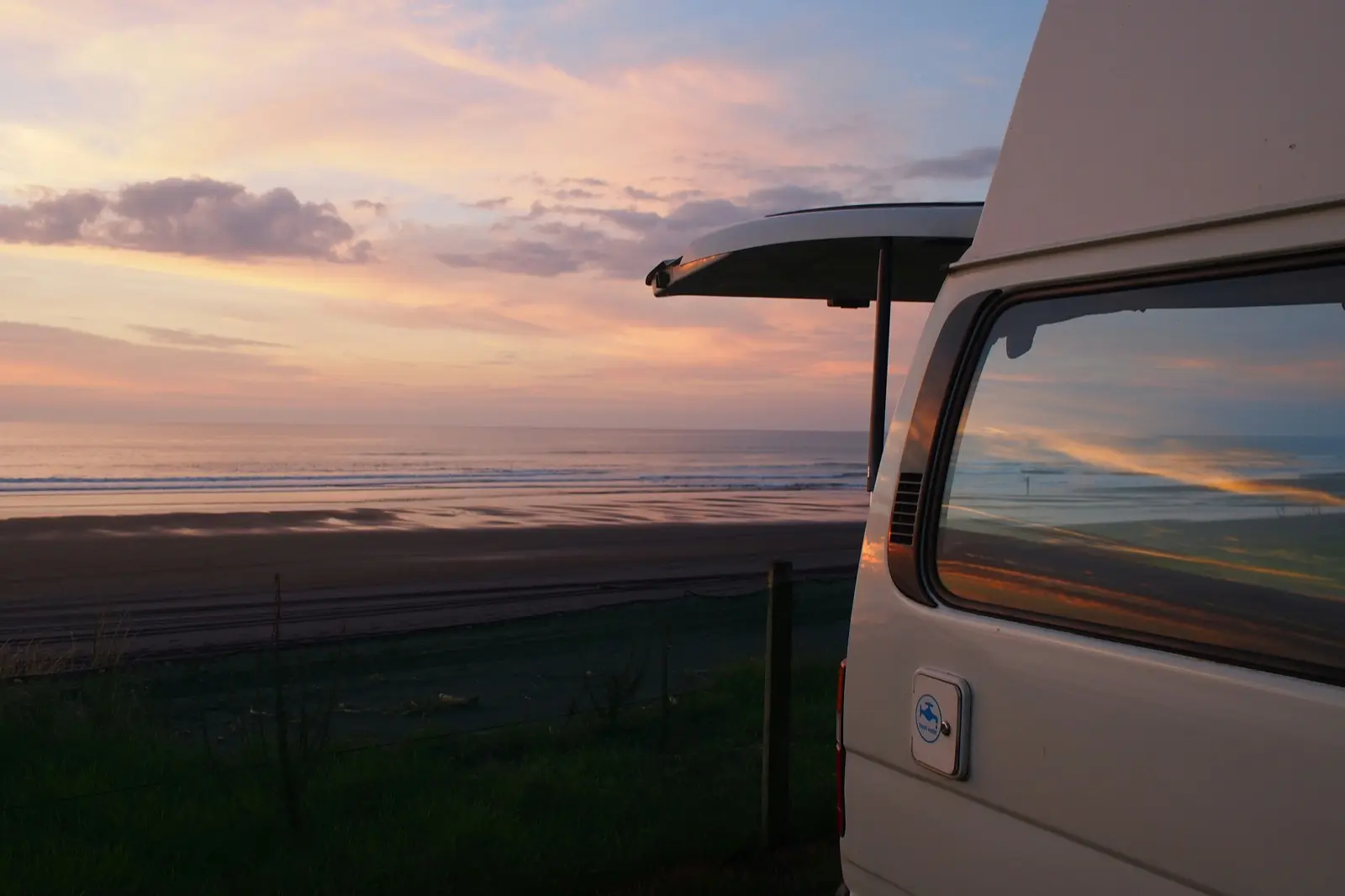
You've got a list of campsites and a route line on Google Maps. You've got a rough idea of which direction you're heading on the Saturday. You've got a half-saved pin for a pub somebody mentioned.
None of that is a trip plan. It's the start of one.
The difference becomes obvious about three hours in, when you realise you don't know where you're sleeping on Tuesday, the campsite you assumed would be open is seasonal, and the back road you picked looked fine on the map but has a 6'6" width restriction a mile past the turning.
A list of campsites isn't a plan
Most of what gets called "trip planning" is really campsite shortlisting. You find four sites that look alright, book two of them, screenshot the others, and hope the week fills itself in.
It usually doesn't.
A proper plan answers the questions you'd end up asking anyway, in the van, with tired kids and a dog who needs a walk. Where are we sleeping tonight. Where are we filling up. How long will that drive actually take with a stop in the middle. Is there somewhere to eat near the site or do we need to cook. What happens if it rains on Wednesday.
None of that is in a shortlist of campsites. It's the stuff that turns the shortlist into a week you can actually live through.
What a proper plan covers
A trip plan that earns the name covers a few core things. Some of them get written down. Some of them sit in the back of your head. All of them get answered before you pull off the drive.
The stops. Not just the overnight ones. The mid-route ones too. Where are you stopping for lunch. Where are you breaking the drive on the long day. If you're doing 180 miles on the Tuesday, the plan names the halfway point, not just the start and the end. Stops are where the trip actually happens.
The overnights. Campsites, aires, CL sites, pub car parks with permission, wild spots where it's legal. Named, with a fallback for at least the first and last nights in case the main choice is full or closed. "I'll find somewhere when we get there" is the plan that produces the 9pm panic.
The timings. Not a schedule to the minute. A rough sense of how long each leg takes, plus time for fuel, food, and a walk. Google Maps says three hours. In a van with a toddler and a kettle to boil, it's four and a half. Plans that assume car timings turn into plans that have you arriving at a site after reception has closed.
The fuel. Where you'll fill up, roughly when, and whether you need LPG or just diesel. Rural single-track roads are beautiful. Rural fuel stations keep hours that would embarrass a village post office. Knowing where the next pump is before you're under a quarter tank is the whole game.
The bookings. What needs booking, what doesn't, and by when. Popular sites in July need weeks' notice. Quiet CLs in March might not even take bookings, you just turn up. The plan knows which is which, and has the reference numbers somewhere you can find them when the wifi drops at the gate.
The wet-weather version. The thing most plans don't have. If the forecast turns on the Wednesday, what do you do instead. A nearby town with a good chippy and an indoor something. A drive that works in rain because the stops are covered. A shorter day that lets the weather pass. A rainy week without a backup is three days of watching the van windows steam up.
The shape of the week matters as much as the stops
You can have all of that sorted and still end up with a plan that doesn't work, because the shape of the week is wrong.
A plan that moves every single night is exhausting. Pitch, unpitch, pitch, unpitch, six times in seven days, and by Thursday nobody wants to cook. A plan that sits in one spot for five nights isn't really a trip, it's a holiday that happens to involve a van. The shape that tends to work is a couple of nights settled, a night or two moving, then settled again. Long enough to unpack properly. Short enough that you still see the country.
The first and last days also want thinking about separately. The first day you're tired from packing and getting out of the drive. The last day you're tired from the week and eyeing the clean-out. Keep both short. Easy stops, not ambitious ones. Save the long drive and the awkward pitch for when everyone's warmed up.
Weekends behave differently too. Popular sites fill up on Fridays. Ferry crossings cost more. Busy roads get busier. A week that starts on a Sunday and ends on a Saturday often lands easier than one that starts on a Friday and has you fighting half the country in both directions.
None of that shows up in a list of campsites either. It's the editorial bit, the part that knows one plan isn't the same as another just because the stops are the same.
Where Quiet Route fits
All of this is the planning work. It's not hard to do once you know what a plan needs to cover, but the knowing takes years, and the doing takes hours.
Quiet Route builds the plan with all of it in. Stops, overnights, timings, fuel, what needs booking, and a wet-weather version. You tell it where you're starting, how long you've got, and what you're after. It works out the rest. No list of campsites, a week you can actually live through.
A list of campsites is a start. A plan is what you want in the van.